Before the Hype: How Belfast's Back-Room Stages Build Tomorrow's Headliners

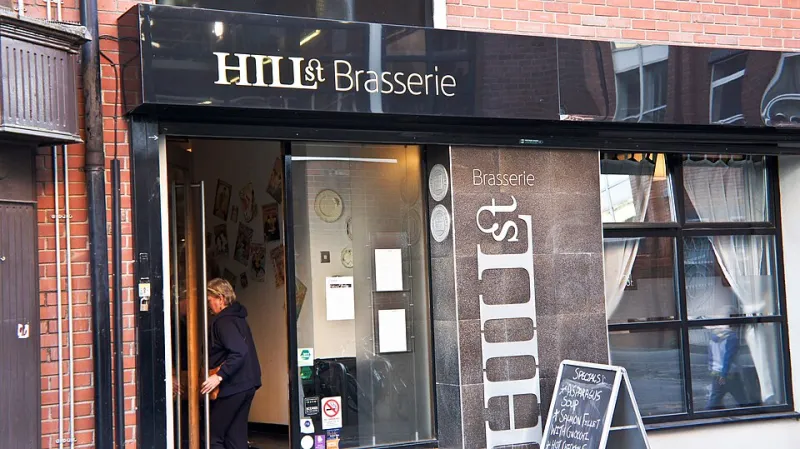
Photo: Albert Bridge, CC BY-SA 2.0, via Wikimedia Commons
The first song is rarely the good one
On a Thursday night in November 2026, the upstairs room of a Belfast pub holds about forty people, a borrowed bass amp and a singer who has rewritten the same verse four times before lunch. The set starts at 8.20pm. By 8.35pm it is over. Nobody claps with the wild enthusiasm of a packed Friday headline show, but a few people near the bar go quiet in the way that matters. They have heard something. They will remember it.
This is how scenes actually grow: not in arenas, but in back rooms where the sound is imperfect and the audience is close enough to see whether the performer means it. Belfast has a long habit of making music in small spaces, and the city's pubs and live venues remain the first rung of the ladder for singers, bands and songwriters who are still figuring out what they sound like.
Three rooms, one ecosystem
The open-mic night is the most visible part of the machinery. It is also the most misunderstood. It is not simply a stage for beginners. For many acts, it is a weekly workshop: a place to test a new song, learn how to fill a silence, and get comfortable with the fact that a room will always contain someone checking their phone.
Aoife, a 24-year-old singer-songwriter from east Belfast, has been playing open-mic slots since she was nineteen. 'The first time I played, I did two songs and I could not look up from the fretboard,' she says. 'Now I can tell when a room is with me. That is not a thing you learn in a bedroom. You learn it by doing it badly in front of people who are kind enough to stay.'
Venue regulars play a bigger role than they often get credit for. Marty, a retired teacher who has been going to gigs in the city for decades, sits near the front at least once a week. He is not an industry scout. He is better than that. 'I know when a song is going to work because I can hear other people stop talking,' he says. 'You get a wee hush. It is not applause. It is attention. That is what you are looking for.'
The support slot is the real audition
The open mic is the front door. The support slot is where things get serious. A young band might spend months playing three songs at a time before someone offers them twenty minutes in front of a paying crowd. That twenty minutes is a different test: can they hold a room that has come for somebody else?
A local promoter, who asked not to be named because she is booking three shows in the same week, says the support slot is where she watches for the same things every time. 'I want to see if they can start on time, if they can talk to the room, if they can handle a bit of noise,' she says. 'The songs matter. But so does the bit between the songs. Some people are brilliant at the open mic and then freeze when there is a proper stage. That is not a failure. It is information.'
Word of mouth still does the heavy lifting. A video on a phone can travel, but it rarely captures the thing that makes a room lean in. That happens when a singer introduces a song with a story that is a little too honest, or when a band locks into a groove and the audience realises it has stopped checking the time. The city's social scene runs on those recommendations: a friend texts a friend, a regular tells a bartender, a bartender tells the person who books the Sunday night.
Anatomy of a typical open-mic night
7.00pm: The room is half-full and the sound engineer is untangling cables. Early arrivals order food and claim the seats with a view of the stage. The atmosphere is closer to a living room than a concert hall.
7.30pm: The host reads out the running order. Names are spelled differently from how they were sent in. Nobody minds. The first act is usually someone who has done it before and knows how to settle the room.
8.00pm: The first-time performers are on. There is a lot of tuning, a few false starts and one genuinely great chorus that arrives out of nowhere. The audience is generous because it recognises the courage it takes to stand there.
8.45pm: The middle section is where the night finds its rhythm. A duo tries a new arrangement. A songwriter debuts a song about a bus route. The bar stays busy but the noise drops when someone gets it right.
9.30pm: The featured act plays a longer set. This is the person the venue has been quietly telling people to watch. By now, the room has warmed up and the crowd is a mix of regulars, friends and people who wandered in for one drink and stayed.
10.15pm: The host invites anyone left to play one more song. Usually, someone does. Usually, it is the best moment of the night.
How to catch the next breakout act before everyone else
Follow the midweek listings, not just the weekend ones. The acts who will be headlining in twelve months are often playing Tuesday or Thursday slots now. Check the venue listings for open-mic nights and support bills, not only the big Friday shows.
Arrive early and stay for the first three acts. The opening slots are where the raw material is. You will hear mistakes, but you will also hear the moment a performer stops apologising for being there.
Talk to the host. They know who is about to get a support slot, who has just recorded a first EP and who is quietly building a following without a press release. The host is the most useful person in the room.
Buy something, even if it is a soft drink. Small venues run on bar takings. A packed room that does not spend money is not a healthy room. If you want these nights to keep happening, treat the bar as part of the ticket price.
Go back. The best way to catch a breakout act is to become a regular at the places where they are still learning. You will see the same faces, hear the same songs change shape, and notice the night when the room goes quiet for a reason. That is the bit the phone videos never capture.
The bit nobody films
By 11pm, the chairs are being stacked and the singer from the first slot is talking to the host about a support gig in January. Nothing has been announced. Nothing has gone viral. But a small room in Belfast has done what it has always done: it has given someone a second song, a third try and an audience that was willing to listen. The next Friday-night crowd is already in the building. You just have to know where to stand.