Spoons, Fiddles and a Bowl of Stew: A Belfast Trad-Session Eating Plan
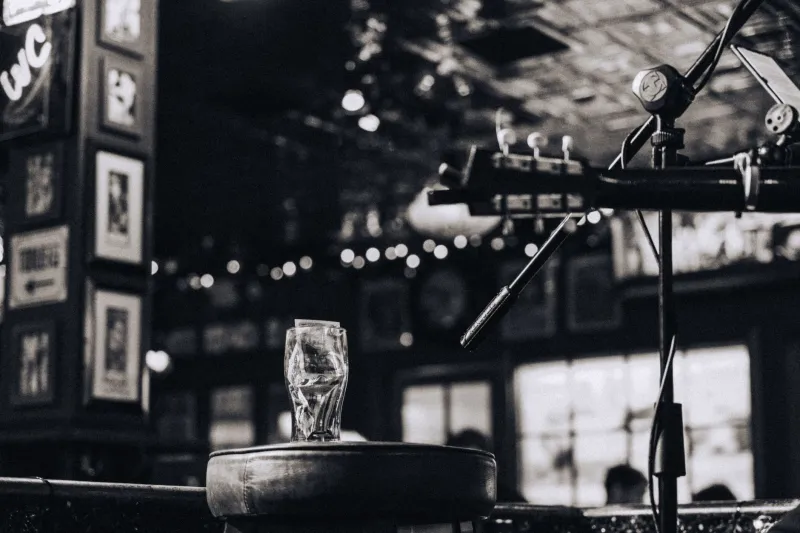
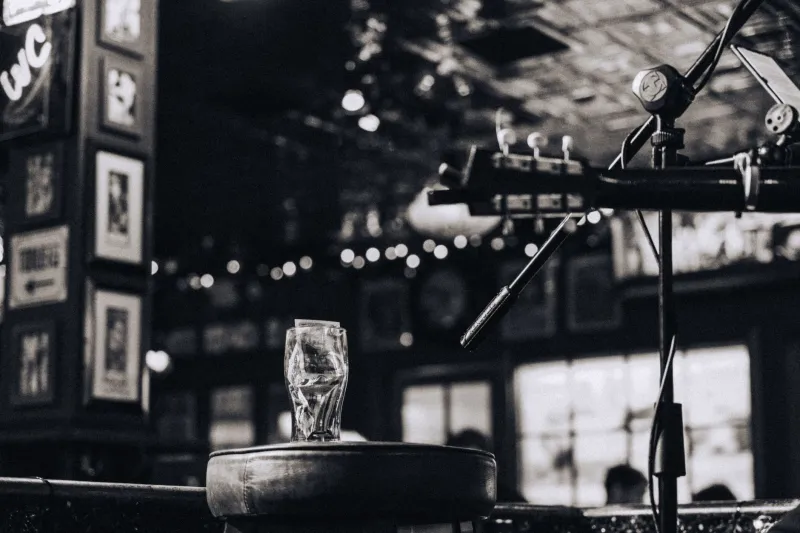
On a wet Thursday in late 2026, the back room of a Belfast pub is doing what back rooms do best: squeezing a fiddle, a bodhrán, two guitars and about forty people into a space designed for half that. The session has already started. Someone is edging toward the bar with a menu in one hand and a pint in the other, trying to work out whether a bowl of stew counts as accompaniment or interruption.
It is a fair question. Belfast's traditional music sessions have become one of the city's best winter nights out — free, loose, and liable to run until the last musician runs out of steam. But they are not gigs. There is no support act, no interval announcement, and no rule that says the band will stop while you flag down a server. Eating well during a session is mostly about timing, a bit about manners, and a surprising amount about how loudly you can saw through a piece of toast.
First, Learn the Room's Clock
Sessions keep their own time. A listed 8pm start can mean 8.40, or it can mean the fiddler was early and the first set is already halfway done when you walk in. The practical move is to arrive before the music properly settles, order at the bar, and ask whether food is being served in the back room at all. Some pubs happily run a full menu alongside the tunes. Others quietly stop sending plates past the session circle after 9pm, because nobody wants to explain to a visitor from Manchester why the steak is being returned under a slow air.
If there is a sign saying no food in the back, believe it. If there is no sign, watch what the regulars do. They will usually be the ones sitting near the door with a pint and a bowl of something soft, positioned so they can hear the music without becoming part of the percussion section.
The Etiquette Bit, Kept Short Because the Music Has Started
The rules are not complicated. Order at the bar, not over the heads of the musicians. Do not ask a player to move so your chips can land. Put the cutlery down when the room goes quiet. And if a slow air begins, treat your plate as though it has been suddenly muted.
One Belfast fiddler told me the only thing worse than a phone going off during a session is a fork scraping a plate during a slow air. A bodhrán player put it more bluntly: the best audience member is the one who orders a pint, eats something that does not crunch, and then lets the tune do the talking. That is not an argument against food. It is an argument for choosing the right food.
The Timing Window Is Narrower Than You Think
Late 2026 has been good for trad nights in Belfast. Back rooms that were once half-empty on a Tuesday are now full of fiddles, flutes and people who know all the words to songs they have never actually learned. That popularity has a knock-on effect: kitchens get busier, tables get taken, and the gap between the first set and the second is not always long enough for a full three-course operation.
Order early, eat early, and keep the second half of the evening for listening. If you arrive mid-set, wait for the applause. If your food lands during a reel, leave it for a minute. The stew will not go cold in the time it takes to clap politely. If it does, you have ordered the wrong stew.
The Session-Friendly Plate Ranking
Not all pub food is built for a room with a bodhrán in it. Here is a working ranking, from quietest and safest to the sort of plate that makes musicians glance over their shoulder.
-
Irish stew in a bowl. The gold standard. A spoon makes almost no noise, the food is soft, and there is no crust-based drama. It also feels like the correct thing to be eating while someone plays a lament.
-
Soup and soda bread. Close second. The soup is silent; the bread is only a risk if you attack it like a man trying to open a stubborn parcel. Tear, do not crunch.
-
Pie and mash. A fork-only operation if you are sensible. Leave the flaky pastry lid for another night, or at least wait until the room is loud enough to cover it.
-
Champ with sausages. Comforting, quiet, and easy to eat without leaning across three people. The only danger is the urge to say 'that's a lovely bit of champ' to a stranger during a quiet passage.
-
A toasted sandwich. This is where the ranking gets honest. A toastie is delicious and compact, but it is also a crunch waiting to happen. Eat it during a full-tilt reel, not during a solo fiddle piece that has the room holding its breath.
-
Fish and chips. Perfect pub food, poor session acoustics. The batter crunches, the smell travels, and the plate is wide enough to colonise a small table. Best eaten at the bar, before the music starts, or in the other room with the sport on.
-
Crisps and a sharing board. The bottom of the list. A bag of crisps is essentially a tiny rustling machine. A sharing board invites conversation, plate-passing and the kind of elbow movement that has no place beside a musician trying to keep time.
What the Musicians Actually Notice
Players are not precious about food. Most of them have eaten enough pub dinners at enough odd hours to know that a kitchen cannot stop the world every time a jig starts. What they notice is disruption: the bag of crisps opened during a quiet song, the fork dropped on a hard floor, the person who asks the accordion player to pass the salt.
One regular at a city-centre session said the ideal eater is 'someone who looks like they came for the music and happened to order dinner, not someone who came for dinner and happened to find music'. That is the whole thing, really. The plate is secondary. The room is the point.
Drink, Listen, Repeat
A pint is the traditional session companion, but a cup of tea has its own quiet power on a wet Belfast night. Either way, keep the ordering trips sensible. The session does not need a constant stream of glasses arriving during the quiet bits, and your table does not need to become a storage facility for empties.
If you are eating through a trad session this winter, the plan is simple: arrive early, order something soft, eat before the room goes still, and let the last few mouthfuls wait for the applause. The tunes have been around for a long time. They can survive a bowl of stew, as long as the stew knows its place.