The Pot After Last Orders: How Belfast's Venue Kitchens Feed the Night Shift
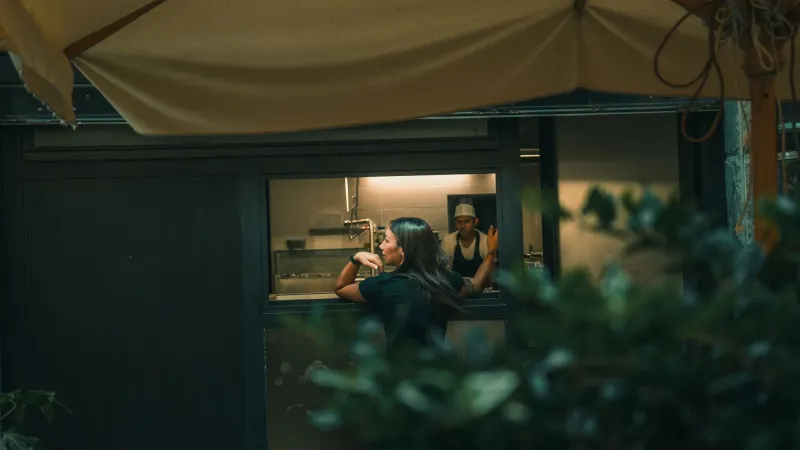
Last orders sounds like a full stop. In a Belfast live venue, it is closer to a halftime whistle. The front-of-house team is wiping tables, the band is coiling cables, and somewhere behind a swing door the kitchen is still on. At The John Hewitt, as at venues across the Cathedral Quarter, the staff meal is not an afterthought. It is the moment when the people who made the night happen finally sit down and eat.
In 2026, with energy bills still demanding respect and margins thinner than a good slice of ham, staff food has become part of the quiet economics of running a live venue. It is also part of the culture. The pot after last orders tells you more about a pub than the menu ever will.
The meal that never makes the menu
Staff food is a different genre. It is not plated for a photograph. It is not described as a deconstructed anything. It is hot, fast, filling and usually built from what is left in the walk-in. On a wet Tuesday in November, that might mean a tray of roast potatoes, a tub of ham hock, a few onions and a tin of chickpeas. By midnight it has become a hash, a curry or a very serious toastie.
At The John Hewitt, the pattern is familiar: cooked potatoes from service, a bit of roast meat, whatever vegetables are still in good shape, stock, mustard, parsley. The kitchen team does not need a recipe book. They need a heavy pan and twenty minutes. The result is the sort of food that makes a door steward feel human again.
What gets cooked after midnight
The dishes vary from venue to venue, but the logic is shared. First, use up what will not last. Second, make it filling enough to count as a proper meal. Third, make it fast. Belfast kitchen teams talk about the staff pot, the late-night toastie and the chip butty with curry sauce in the same breath as they talk about stock rotation.
The staff pot is the most common. Leftover roast potatoes, onions, ham or chicken, a splash of stock, a spoon of mustard, a handful of parsley. If there is a bit of cream or butter hanging about, it goes in. The toastie is the back-up: cheese, leftover roast veg, a smear of chutney or mustard, pressed until the edges are crisp. The chip butty is the emergency option, ideally with chip-shop curry sauce and a white bap that has been buttered with more enthusiasm than precision.
None of this is fashionable. All of it is honest. And it is often the only proper meal a kitchen team gets during a long shift.
The suppliers who keep the night shift fed
The same local supply chain that stocks the main menu keeps the staff meal going. A butcher in Smithfield, a greengrocer off the Newtownards Road, a bakery that delivers before the first coffee is poured. The John Hewitt and venues like it depend on those relationships because they make the food budget stretch further and the staff food taste better.
It also means less waste. A tray of roast potatoes that would otherwise be binned becomes the base of tomorrow's hash. A few links of sausage become a staff curry. The kitchen team knows exactly what is in the fridge because they ordered it, checked it in and cooked it for paying customers. Staff food is the second act of the same ingredient.
Three honest staff recipes
These are not cheffy recipes. They are the kind of things you can make from what is left in the walk-in. Quantities are approximate, because staff food is not a laboratory experiment.
Late-night ham hock and potato hash
- 500g cooked potatoes, chopped
- 200g ham hock or leftover roast ham, shredded
- 1 onion, sliced
- Butter or oil
- A spoon of mustard
- Chopped parsley
Fry the onion until soft, add the potatoes and ham, press the mixture down in the pan and let it crisp. Finish with mustard and parsley. Serve with brown sauce if the night has been long.
Curry chip butty
- Oven chips or chip-shop chips
- A white bap
- Butter
- Chip-shop curry sauce
Butter the bap, fill it with chips, spoon over hot curry sauce and eat standing up. This is the correct method.
Staff-room veg curry
- 1 onion, chopped
- 2 garlic cloves, chopped
- A thumb of ginger, grated
- Curry powder or paste
- A tin of coconut milk
- Leftover vegetables, chopped
- A tin of chickpeas
- Rice, to serve
Soften the onion, garlic and ginger, add the curry powder, then the coconut milk, vegetables and chickpeas. Simmer until everything is hot and slightly thickened. Serve with rice and a spoon of yoghurt if there is any.
Why it matters for the music ecosystem
A venue that feeds its people is a venue that can keep its doors open. Staff meals are a retention tool, a morale boost and a practical way to stop the kitchen team living on crisps and coffee. They also keep the wider music ecosystem moving. A sound engineer, a door steward and a barback all need to eat before the last band loads out.
The John Hewitt's kitchen is not running a charity. It is running a pub. But the staff pot after last orders is part of the same story as the gig listing and the pint on the bar. It is the quiet, unglamorous fuel behind a proper Belfast night out.